To enjoy the fragrance and freshness of your flowers for as long as possible, it’s essential to remove the lower leaves and thorns from roses before placing them in a vase. Roses and chrysanthemums with firm stems should be cut at an angle to maximize the area for water absorption. Florists also recommend adding special flower preservatives that enrich stems with minerals, keeping them juicy and vibrant so that the flowers last longer.
You should always buy fresh flowers, and once you bring them home, give them time to adapt to the new microclimate. Flowers are sensitive to sudden changes in temperature. In winter, after bringing a bouquet in from the cold, it’s best to leave it on the balcony or in a cool hallway for a short while before moving it into a warm room.
Some flowers last longer not in plain water, but in the nutrient solution they were kept in at the store. When purchasing a bouquet, you can always ask the florist for advice and valuable tips on caring for the specific varieties included in your arrangement.
How to Choose Flowers Correctly
The key to keeping your bouquet fresh for a long time is a thoughtful approach and proper selection of the flowers. Recently cut plants look fresh — their leaves and petals are full of moisture and elasticity, meaning they will stay beautiful longer. Wilted flowers that have been artificially revived with concentrated nutrients to improve appearance will not retain their fragrance or freshness for long, no matter what you do.
If you’re cutting flowers yourself in your garden, it’s recommended to do it early in the morning using a sharp knife or pruners. Always cut the stems diagonally.
When buying flower arrangements, pay attention to the stems — their cut should be light green. If it’s dark, it’s better to choose another bouquet. The leaves should also be fresh and firm; wilted or dry leaves indicate that the bouquet is not fresh.
You can give any composition depending on the recipient’s taste and preferences. Sellers often use tricks to make bouquets appear fresher than they are, but knowing a few simple rules will minimize the risk of choosing stale flowers.
Buying beautiful flowers from BuketLand for a celebration or a special occasion guarantees that they will delight the recipient for several weeks with their unique aroma and stunning appearance. Ordering from a reputable florist means you can always count on professionalism — the company’s reputation speaks for itself.
What Water to Use – and Which Nutrients to Add
When buying expensive flower arrangements — especially exotic ones — everyone wants them to stay fresh in the vase for as long as possible. Below are effective tips on how to prepare both the flowers and the nourishing liquid for them.
Preparing the Flowers
Different flower varieties have varying levels of durability and longevity.
Flowers with white or pink petals are generally the least resistant.
Roses and other exotic flowers often travel a long distance before reaching the customer, during which they may become dehydrated. Therefore, it is recommended to place them in a bathtub with lukewarm water, keeping the buds above the surface while submerging the stems and leaves completely. They should stay like this for several hours at minimum.
It’s also important to cut the stems at an angle immediately. The most effective method is to do it underwater, which prevents air bubbles from blocking the stem’s vascular channels. The portion of the stem that will be submerged should be fully cleared of leaves and thorns.
While the plants are absorbing moisture, you can prepare a nutrient solution based on florist recommendations to maintain their freshness and beauty for a longer time.
Preparing the Water
People often ask, “What can I add to the water to make flowers last longer?”
Here are the most effective recommendations — since water is the source from which flowers draw their vital nutrients, vitamins, and minerals.
Tap water often contains chlorine, which negatively affects plants. As noted by Olena, a certified florist at BuketLand with over 15 years of experience:
“Modern research shows that proper flower care can extend the lifespan of cut flowers by 40–50%. The key factors are not only preparing the water but also cleaning the stems and vase regularly with antibacterial agents.”
You can use the following methods to prepare your water:
-
Use settled or drinking water, since chlorine settles out over time.
-
If your water doesn’t contain chlorine, add half a tablet of aspirin and two teaspoons of sugar — this acts as both an antiseptic and a nutrient source.
-
You can also make an effective home solution:
add 1 tablespoon of sugar, 2 tablespoons of lemon juice, and half a tablespoon of bleach to 1 liter of room-temperature water.
This secret ingredient prevents bacterial growth in the vase while nourishing the flowers. -
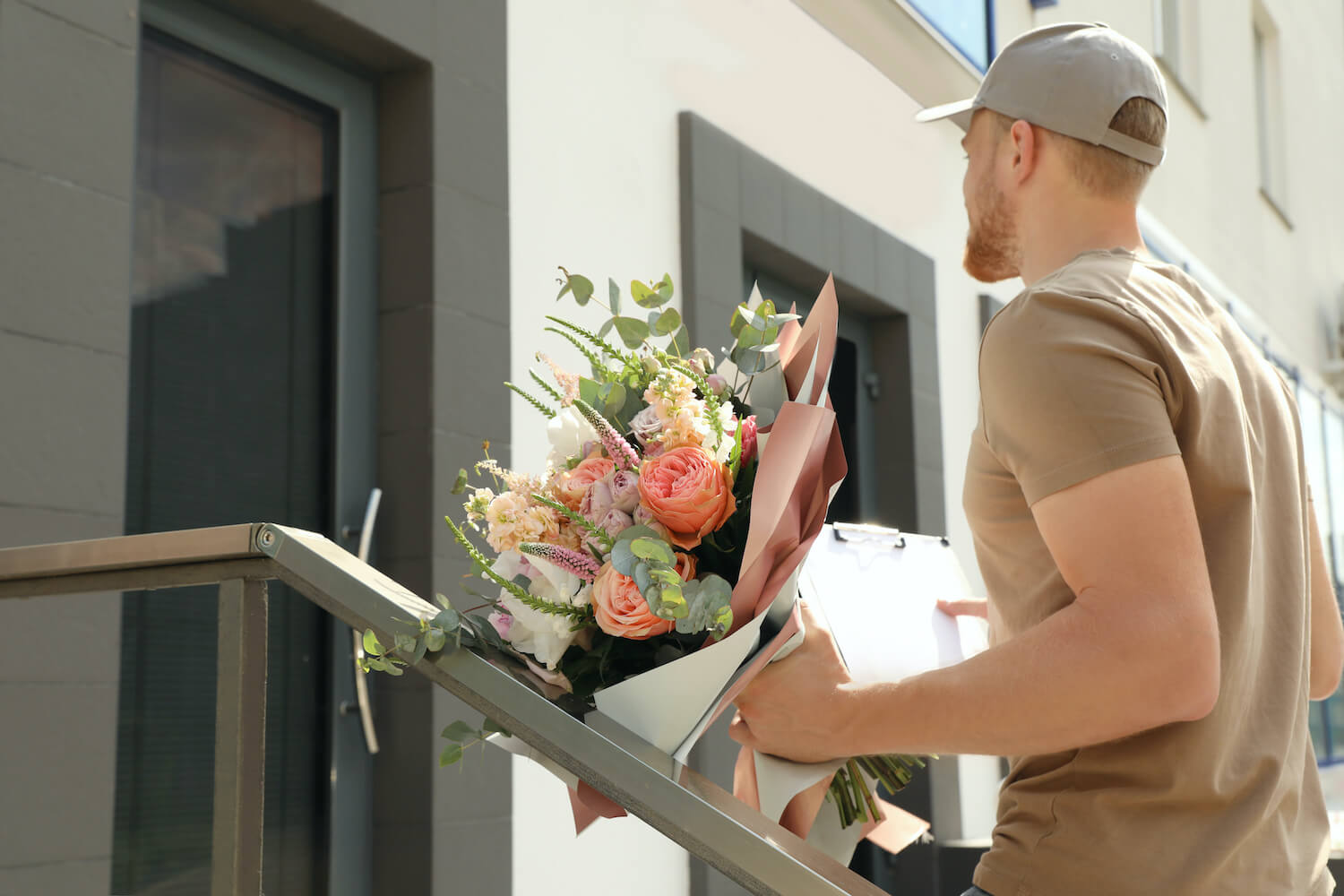
Florists often sell ready-made flower preservatives, and when ordering flowers with delivery from BuketLand, the courier can include the nutrient powder or liquid with your bouquet.
-
Flowers love fresh water every morning — be sure to clean the vase thoroughly, rinse the stems, trim them slightly, and refill with clean water.
Florists also advise avoiding direct sunlight. It’s especially important to keep clear vases away from the sun, as sunlight encourages bacterial growth in the water.

Care for Cut Flowers: How to Keep Roses Fresh
Roses are truly royal flowers, and you want to enjoy their fragrance as long as possible. If you follow the recommendations, they can last from one to four weeks. Here are florists’ tips on how to make your flowers last longer:
-
Before placing them in a vase, remove all leaves and thorns from the lower part of the stem to prevent rotting.
-
Cut the stems at an angle or separate the fibers (split the stem with a cross-cut) to create the largest possible surface area for absorbing water and nutrients.
-
Do not put stems with a flat, straight cut into the vase — they will rest on the bottom, won’t absorb water, and will wilt.
-
In the cold season, fill the vase with slightly warm, settled water; in summer — with cool water.
-
Add 20–30 g of sugar and 2 tablespoons of lemon juice per 1 liter of water.
-
To prevent decay, use aspirin; our florists also recommend adding half a teaspoon of bleach per 1 liter of water.
-
Place the vase in a shaded location away from direct sunlight.
-
Replace the water daily, rinse the stems, and mist the buds.
What to Do to Make Tulips Last Longer? How to Revive Tulips?
If you’ve received a bouquet of tulips as a gift or picked them from your own garden, do not place them in a container with water or nutrient solution immediately after cutting. To extend their freshness, trim the stems underwater, wrap them in a damp cloth, and leave them in a cool room for 1–2 hours. Tulips do not tolerate temperature fluctuations or changes in microclimate, so they need time to adapt to a new environment.
At night, it’s best to keep tulips in a room no warmer than 18°C (64°F). Avoid drafts, ultraviolet rays, and radiators.
Use settled water in which the chlorine has precipitated. To prevent rotting, change the water daily, wash the vase, and you can add sugar and aspirin to the water. Since tulips are moisture-loving, you need to regularly replenish the water they consume.
To Make Lilies Last Longer
For regal lilies, the question of how to prevent wilting is simple: lily varieties are unpretentious and can last up to 10 days with minimal care. Here are the basic recommendations:
-
When buying lilies, choose stems with one open bloom while the rest are still in buds — they will open gradually.
-
Place them in settled water and add antiseptics that help prevent rot (aspirin, sugar, citric acid, or bleach).
-
As a nutrient medium, you can use ready-made concentrates or add 30 g of sugar and a couple of tablespoons of lemon juice or citric acid per 1 liter of water.
-
Cut stems at an angle or split the fibers; remove the leaves that will be below the waterline.
-
Lilies require daily water changes and fresh cuts on the stem ends.
-
To prolong flowering, remove the stamens from open blooms and also remove spent flowers.
-
Keep the vase in a shaded room, away from heating radiators and drafts.
To Make Cut Peonies Last Longer
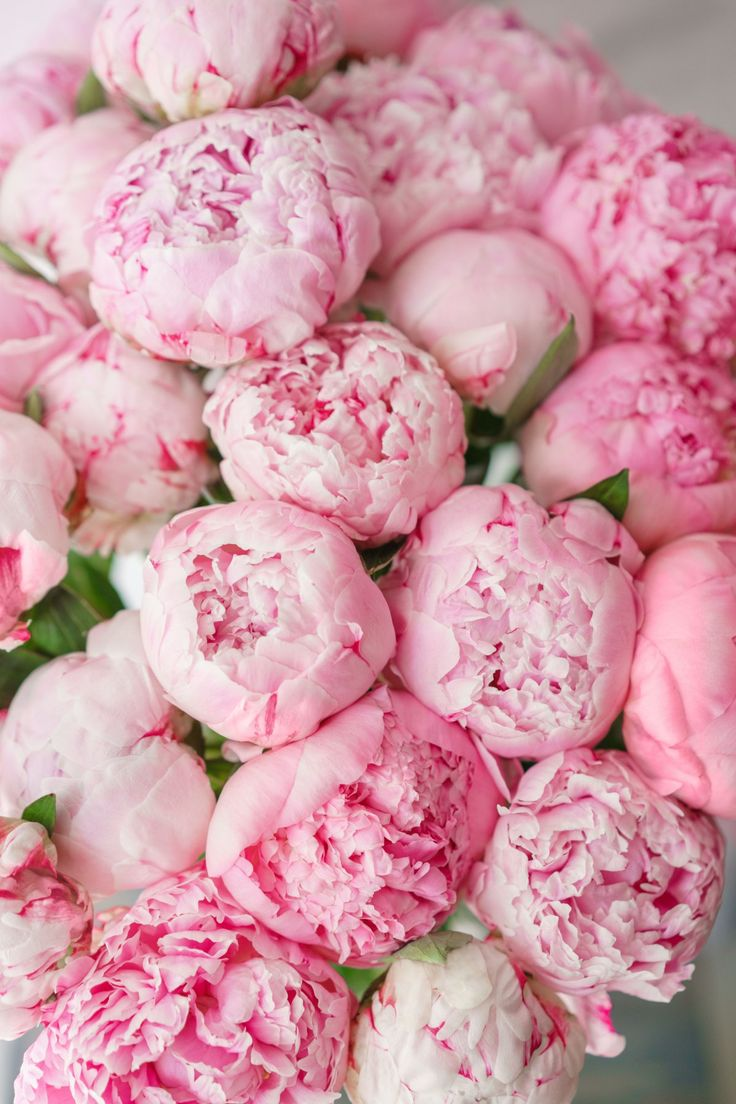
With proper care, peonies retain their appearance, aroma, and freshness for 15–18 days. Here are experienced florists’ tips to help your flowers last longer:
-
Choose the darkest possible vase made of plastic or glass.
-
The container should be large, as peonies prefer space; the blooms should only lightly touch each other.
-
For maximum hydration, submerge three-quarters of the stem length in water.
-
Remove all leaves that would sit at the waterline.
-
Avoid drafts, heating batteries, and direct ultraviolet rays.
-
If you notice a wilted bloom, remove it so it doesn’t draw nutrients from the fresher flowers.
-
As with other flowers, trim peony stems after purchase and change the water daily.
You can use Chrysal as a concentrate — it ensures a long-lasting fragrance and fresh look. When ordering flowers from a delivery service in Kyiv, for example, the courier brings the appropriate amount of this solution depending on the bouquet. This is sufficient to keep the bouquet fresh for the initial period.
To Make a Bouquet of Daisies Last Longer in a Vase
Despite their simplicity, daisies embody tenderness, femininity, and elegance. They may decorate the interior for only a few days and wilt quickly. But there are several ways to extend their vase life:
-
To prevent decay, remove the lower leaves and clean the stems of anything that will sit in the water.
-
Daisies do not tolerate drafts. While they grow in sunlit meadows, in a vase they should be protected from direct UV rays by placing the arrangement in a bright but indirect light.
-
Replace the water daily, remove residue from the stems, and trim 1 cm off the ends every other day.
-
Once you bring daisies indoors, cut the stems diagonally by 2 cm, clean them if necessary, and place them in icy water. You can mist the blooms with fresh water.
-
It’s better to use settled water; for a short time, wrap the flowers in a damp cloth and place them in the refrigerator.
-
As an antiseptic, you can use a special solution, aspirin, or a small amount of bleach.
How to Keep Other Flowers Fresh in a Vase for Longer?
Many people wonder how to make flowers last longer. We’ve covered roses, lilies, and daisies — now let’s look at some less common flowers:
-
Lilac keeps well in slightly acidified water; at night, it’s recommended to cover the clusters with a damp cloth. If it wilts, place the lilac in a bathtub with warm water for 20 minutes, then return it to a vase with cool water — the flowers will perk up again.
-
Carnations and chrysanthemums require careful attention. They can last several weeks if you change the water on time, recut the stems, and remove spent blooms.
-
Gerbera stems absorb water slowly, so they should not touch the bottom of the vase. Be sure to add activated charcoal or special mineral additives to purify the water and eliminate odors.
-
Hydrangeas love water — fill the vase with cool water right away and add a preservative. The water level can be up to the leaves, which is unusual for most other cut flowers.
-
Ranunculus are very undemanding: place them in a vase filled to two-thirds with water, change the water daily, and trim 1 cm from the stems — they will delight you for a very long time.
Microbes and bacteria can appear on the inner walls of the vase and negatively affect the arrangement. Therefore, when changing the water, thoroughly wash the container with a sponge and cleaning agents.
Special Tips
For wedding bouquets: To keep a wedding bouquet in the best condition until the photoshoot, store it in the refrigerator (except for tropical flowers) and wrap the lower part of the stems in a damp cloth.
For office arrangements: In rooms with air conditioners and dry air, provide additional moisture by misting the flowers 2–3 times a day (except for flowers with velvety petals, such as orchids).
Seasonal Flower Care
Bouquet maintenance depends greatly on the season. In summer, when air temperatures are high, change the water more often (twice a day) and keep flowers away from air conditioners that can cause sudden humidity changes. In winter, pay special attention to protection from drafts and dry air from heating devices, using periodic misting and air humidifiers.
How to Revive Wilted Flowers?
Bouquets may quickly wilt if they lack water and nutrients. You can restore their appearance by following simple recommendations. Of course, the flowers will not be perfectly fresh again, but you can extend their life by several days:
-
Trim the stems. Many varieties suffer because the lower cut becomes blocked by air bubbles and dries out, preventing water uptake. Use sharp scissors or a knife to cut the stem diagonally so it stands on a sharp end at the bottom and water can rise to the blooms. Alternatively, make a longitudinal slit 2–4 cm along the stem.
-
Warm-water bath for 10–15 minutes. Warm water moves faster through the stem; afterwards, return the flowers to a container with room-temperature water. Note that tulips absolutely do not tolerate warm water.
-
Add a mix of vitamins and minerals. Store-bought preservatives are most effective; at home, you can mix sugar with citric acid or lemon juice. These ingredients provide a comprehensive effect and extend the life of the arrangement by several days.
-
Mix 2 tbsp lemon juice, 1 tbsp sugar, and ½ tbsp bleach per 1 liter of water. Replace the solution every other day to ensure an antiseptic effect and prevent bacterial growth. Don’t worry — the minimal bleach concentration is completely safe. This has been confirmed by our florists and is used in our shop to store flowers.
-
Don’t expect an instant effect — give it at least a few hours for the flowers to absorb life-giving moisture and nutrients.
-
Repeat stem trimming regularly — ideally cut off 1 cm every day. Add nutrient mixes when changing the water, keeping the optimal concentration.
-
If roses have wilted, it means they lack moisture. For resuscitation, place them in a bathtub with water for several hours or overnight, then return them to the vase.
-
Florists do not recommend placing vases on windowsills exposed to direct sunlight. Under UV rays, bouquets wilt much faster and lose their appearance. Keep arrangements in a shaded room.
In urgent cases, to help flowers stand longer, submerge the bouquet in a container of lukewarm water for 30–60 minutes. This allows the flowers to absorb the necessary amount of water and replenish its deficit; afterward, use one or more of the methods listed above to bring the arrangement back to life.
Flowers remind us to slow down and savor the beauty in small moments. At AvaFlowers, we pour our heart into every bouquet so that your flowers can keep sharing joy and warmth for days to come. With the right care — and a touch of love — they’ll stay fresh just like your memories.