Choosing wedding flowers is often one of the most emotional and symbolic stages of planning a ceremony. For many couples, a bouquet is not only part of the aesthetic — it carries tradition, meaning, and becomes an element remembered in photographs for decades. However, for those who live with seasonal allergies or pollen sensitivities, traditional floristry can pose a challenge. Symptoms such as irritation of the eyes, sneezing, skin reactions, and respiratory discomfort may overshadow what should be a joyful experience.
Fortunately, modern floristry offers numerous solutions that allow brides and grooms with allergies to enjoy fresh flowers safely. Advances in botanical cultivation, changes in design trends, and a deeper understanding of plant biology have made it possible to create elegant, hypoallergenic wedding bouquets without sacrificing beauty or symbolism.
Understanding Flower Allergies
Allergic reactions to flowers are most commonly caused by airborne pollen. Plants with exposed stamens, powdery pollen, or open-petal structures tend to release allergens easily. In contrast, flowers with dense or waxy petals, closed reproductive structures, or heavy pollen that does not disperse into the air are considered hypoallergenic.
Fragrance sensitivity is another aspect often overlooked. Some flowers may be low in pollen but produce a strong natural scent that can trigger discomfort. Because of this, hypoallergenic floristry considers both pollen exposure and olfactory tolerance.
Hypoallergenic Flowers Suitable for Wedding Design
Many popular wedding flowers are naturally low in allergens. Among them, orchids, tulips, calla lilies, roses (particularly tight-petal or garden varieties), ranunculus, lisianthus, and carnations are frequently recommended. These flowers offer a wide spectrum of textures — from minimalist architectural silhouettes to soft romantic petals — making them versatile for various design styles, whether modern, classic, bohemian, or editorial.
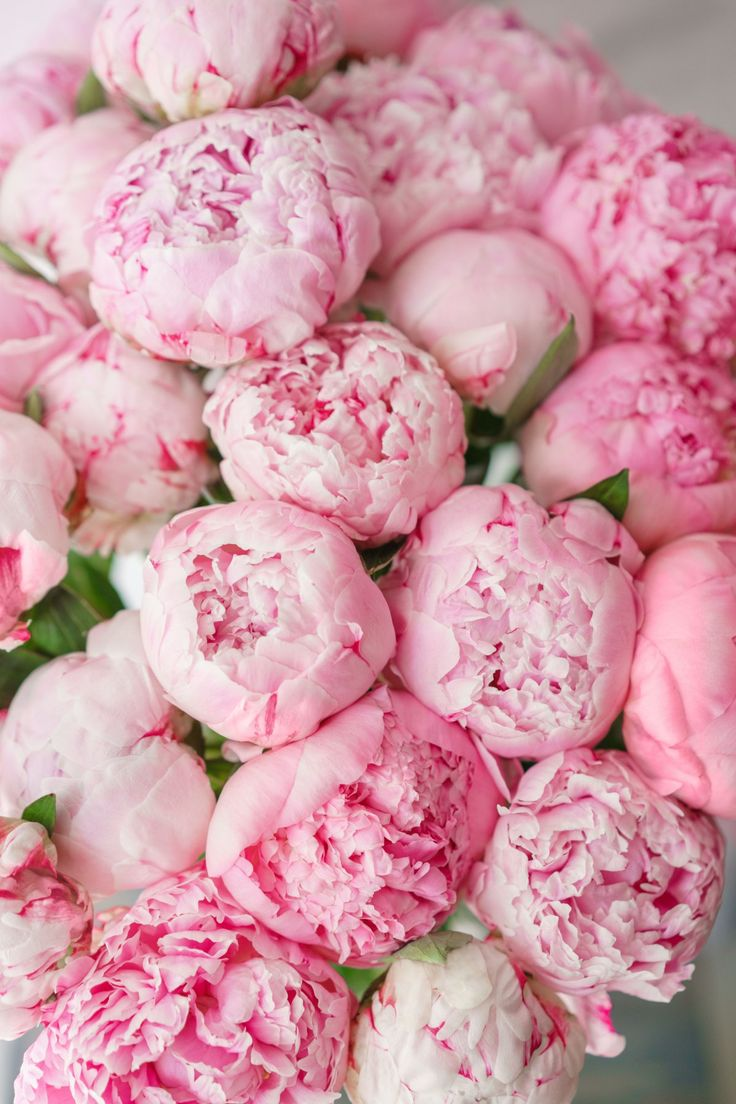
Hydrangeas and peonies may also be included when sourced at the correct blooming stage, as their pollen remains enclosed and does not disperse easily. Succulents, hypericum berries, and dried botanical accents are frequently used to add structure without increasing allergenic exposure.
Below is a curated list of allergy-friendly blooms ideal for wedding bouquets, centerpieces, boutonnieres, and floral installations.
| Flower Type | Allergy Level | Notes |
|---|---|---|
| Orchid | ⭐ Very Low | Elegant, long-lasting, available in multiple shapes & shades |
| Rose (tight-petal varieties) | ⭐ Low | Garden & spray roses are ideal for allergy-sensitive brides |
| Peony (closed bud) | ⭐ Low | Soft, romantic texture, seasonal spring bloom |
| Tulip | ⭐ Very Low | Minimal pollen release, perfect for minimalist modern bouquets |
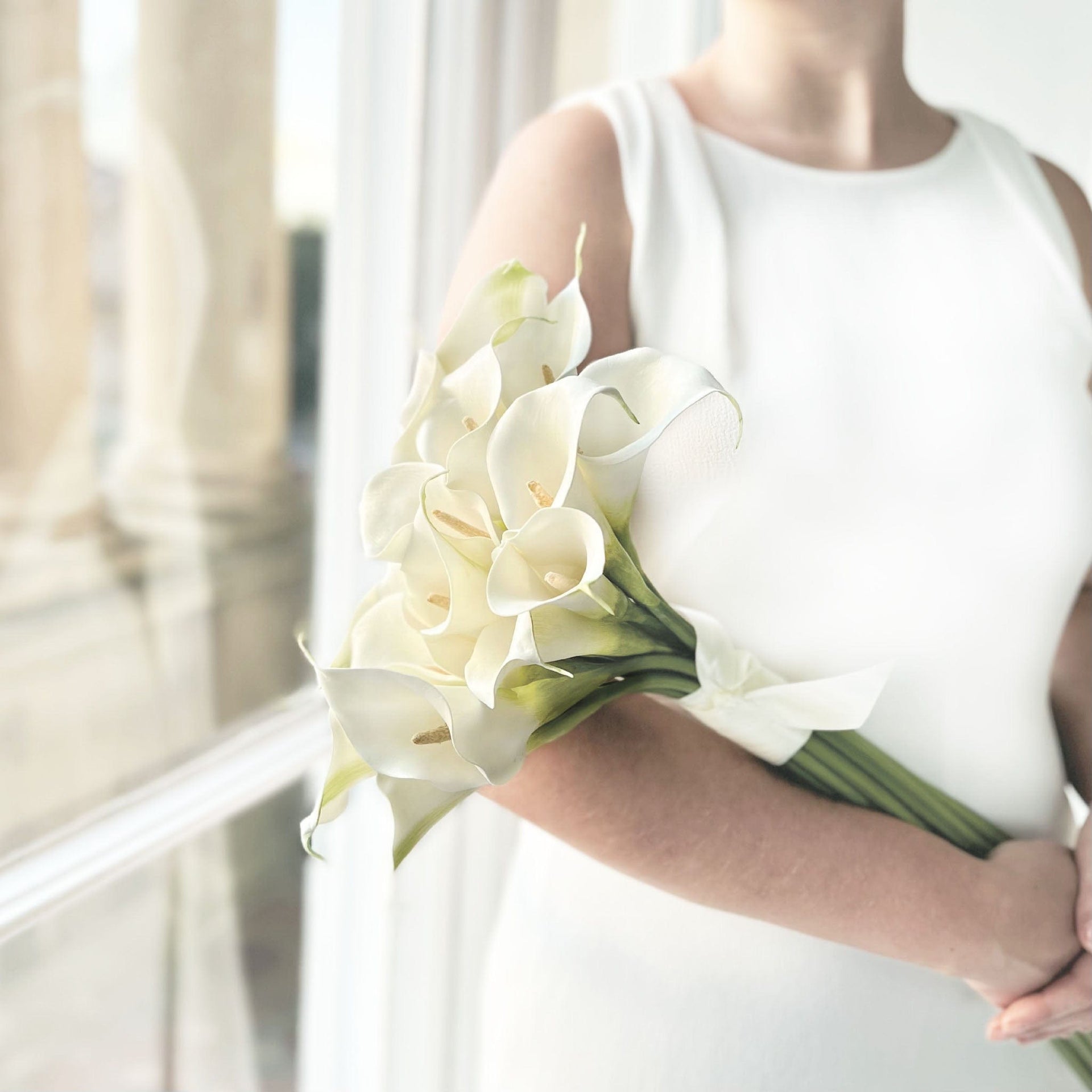
| Calla Lily | ⭐ Very Low | Sleek, sculptural, fragrance-neutral |
| Hydrangea | ⭐ Low | Dense petals trap pollen inside the bloom |
| Ranunculus | ⭐ Low | Lightweight, layered petals, great alternative to roses |
| Carnation | ⭐ Very Low | No airborne pollen, long vase life |
| Succulents | ⭐⭐ Zero | Amazing textural accents for modern arrangements |
Design Principles for Allergy-Safe Wedding Floristry
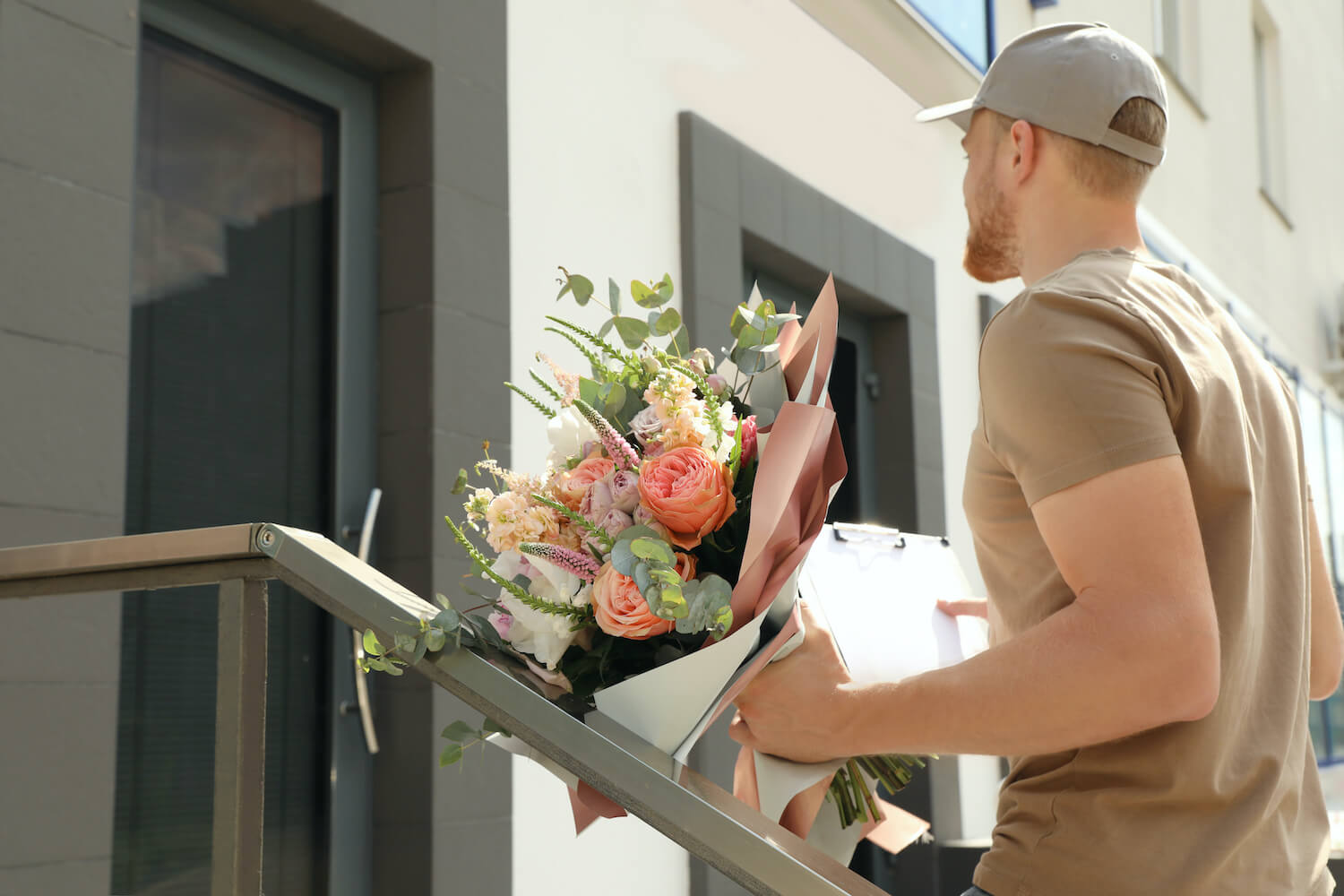
Creating an allergy-friendly bouquet requires not only the right plant selection but also proper handling techniques. Professional florists may remove visible stamens, seal pollen chambers with floral wax, or choose flowers harvested at a stage where allergens remain enclosed. Structural design also matters: compact arrangements with controlled movement tend to shed less material than loose meadow-style bouquets.In addition, the preparation timing can play a role. Bouquets assembled closer to the event limit pollen release and help maintain freshness while reducing exposure.
Planning Considerations for Sensitive Clients
Brides and grooms with known allergies should consider informing their florist early in the planning process. A short consultation and, if necessary, an exposure test can prevent discomfort on the wedding day. For highly sensitive individuals, a combination of fresh hypoallergenic blooms and realistic premium artificial flowers may provide an optimal balance.
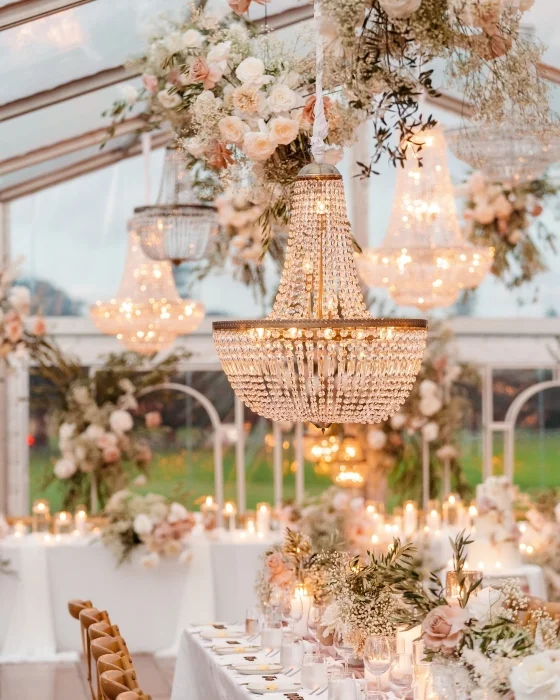
It is also advisable to extend the allergy-friendly approach to boutonnieres, bridesmaids’ bouquets, seating-area florals, and indoor arrangements — especially if the celebration takes place in a closed venue with limited ventilation.
Can Hypoallergenic Flowers Still Look Luxurious?
Yes — modern floral aesthetics increasingly favour understated elegance, refined textures, natural colour palettes, and structural simplicity. These qualities align seamlessly with many hypoallergenic floral varieties. Whether the vision is a cascading orchid centerpiece, a hand-tied tulip bouquet, or a soft garden-style arrangement in neutral tones, allergy-safe floristry can meet the artistic expectations of even the most detail-focused couples.
An allergy does not need to restrict creative expression or compromise the emotional symbolism of wedding florals. With thoughtful planning, appropriate plant selection, and professional design methods, it is entirely possible to achieve a stunning, safe, and comfortable floral experience.